Twenty-Five Years of Carrying It
A note: Friday is usually our Travel, Tech and Learning day. This week we’re stepping outside that, for a date that deserves it.
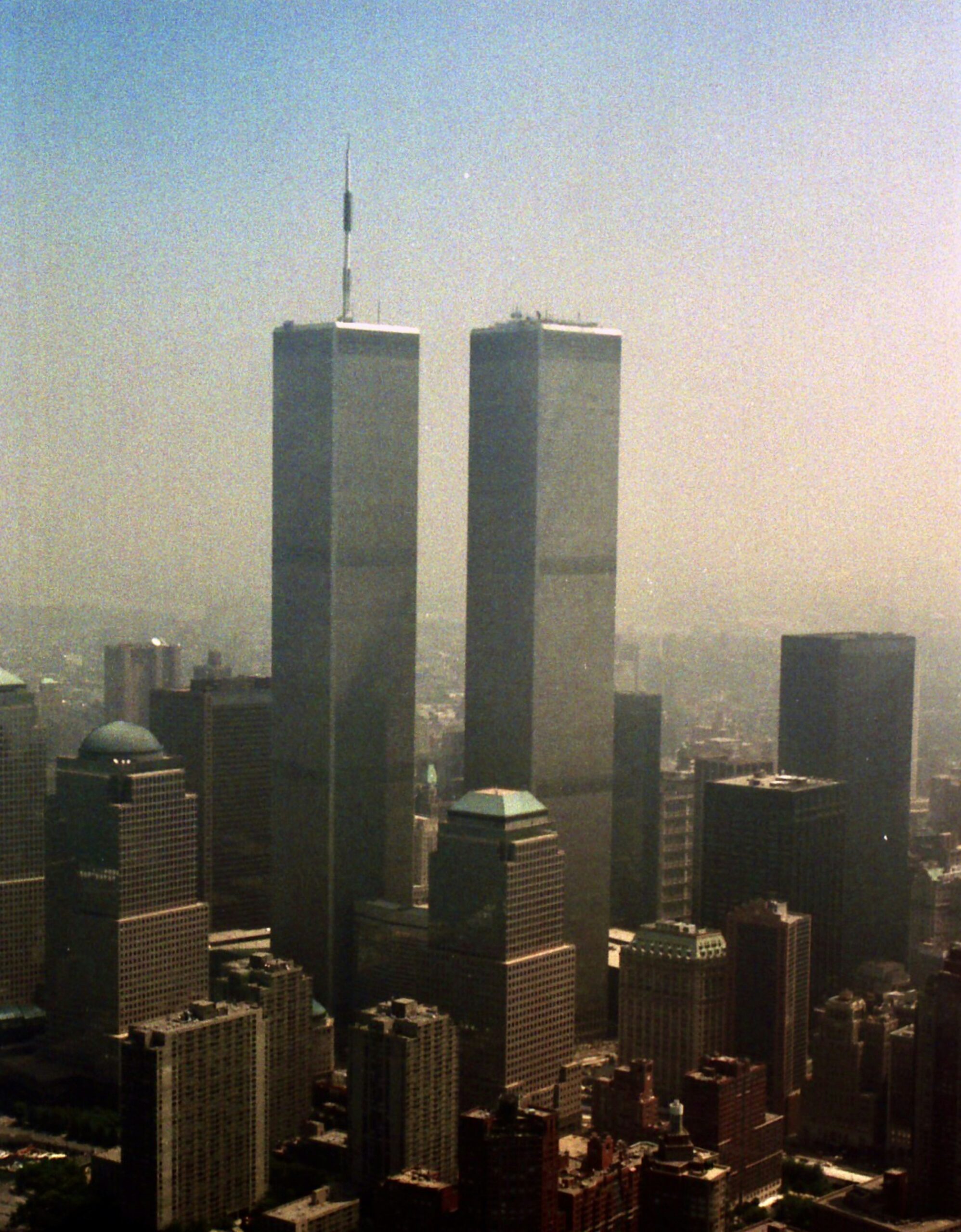
Twenty-five years.
If you’re reading this and you’re over 55, you don’t need me to set the scene. You know exactly where you were standing. You know what was in your hand. You know what the sky looked like that morning — everybody says the same thing about the sky, that it was impossibly blue, and everybody’s right.
You don’t need the story. You are the story.
But here’s what changed this year, quietly, while nobody announced it: there is now a full generation of adults walking around who learned about that day the same way we learned about Pearl Harbor. From a textbook. From a documentary. From a museum with a gift shop at the end of it.
A twenty-five-year-old today was born after. They have colleagues, and mortgages, and opinions. And every single thing they know about that morning, somebody told them.
Which means our job description just changed.
From witness to custodian
For twenty-five years, the people who were alive that day had one role, and it was involuntary: witness. You didn’t sign up. You just happened to be conscious on a Tuesday.
That role has an expiration date. Not because the memory fades — it doesn’t, not for this — but because at some point the last person who was there stops being able to say so. We are far from that day. But we are also, now, closer to it than we were, and this is the first anniversary where I really felt the shift.
Witness is passive. Custodian is a job.
And a custodian has actual duties. Three of them, the way I count it.
One: tell it small
Here’s the thing about how history gets handed down. Nobody inherits the big version. Nobody’s grandkid is moved by the death toll or the timeline or the policy consequences. They can get that anywhere; it’s in the machine, it’s on the wall of the museum, it’s a search away.
What they cannot get anywhere else is yours.
The specific, small, unimportant-seeming detail. The phone call that wouldn’t go through. The line at the gas station. The neighbor you’d never spoken to in eleven years who knocked on the door that evening because he didn’t want to be alone in his own house. The way your kid’s school handled it, well or badly. The flag that somebody put up on your street and never took down.
Small is what survives. Big is what gets summarized.
So if you do one thing this weekend: tell somebody under forty a detail so specific it couldn’t have come from anywhere but your own eyes. That’s the whole assignment. Not a lecture. One detail.
Small is what survives. Big is what gets summarized.
Two: tell it whole
There’s a temptation, at twenty-five years out, to sand it down. To hand the young people a clean version — heroism, unity, flags, the good parts.
Don’t do that. The clean version doesn’t hold weight.
Tell them about the fear too. Tell them how long the not-knowing lasted, how the phones didn’t work, how you counted people. Tell them what the weeks after actually felt like — including the parts that weren’t noble. Including how strange it was to go back to work. Including the arguments in your own family.
A story sanded smooth is a story nobody can hold onto. They need the grain to get a grip.
Three: tell it forward
This is the one I care most about.
The thing worth passing down isn’t the horror. Horror is a fact, and facts don’t change anybody. What’s worth passing down is what people did in the following hours — and specifically, that most of it was completely ordinary people improvising.
Boat captains in the harbor who moved a few hundred thousand people off an island because somebody needed to and they had a boat. People who walked toward it with nothing but a job and a bad idea about their own odds. The line around the block at every blood bank in America. Neighbors, casseroles, phone trees, church basements, spare bedrooms.
I spent part of my life as a combat medic, and I’ll tell you the least surprising thing about that day, to anybody who has ever done that kind of work: almost nobody froze. Not the professionals, and not the civilians either. People are far better in the actual moment than they believe they’ll be beforehand. Ordinary people, on an ordinary Tuesday, doing the next necessary thing with whatever was in reach.
That’s the inheritance. Not “the world is dangerous” — they already know that, they’ve grown up knowing that.
The inheritance is: when it comes, you will most likely rise, and the person next to you will too.
That’s worth twenty-five years of carrying. That’s worth handing over carefully.
What to actually do today
Not a list of gestures. Four things, and any one of them counts.
- Say a name. Not a number — a name. If you knew someone, say theirs out loud today. If you didn’t, the memorial rosters are public; pick one and learn who they were. Numbers are for records. Names are for people.
- Tell one detail to one young person. As above. One. Small. Yours.
- Check on a first responder or a veteran you know. Not with a thank-you graphic. With a phone call, on a day that is heavier for them than it looks from outside. Ask a real question and then be quiet long enough to get a real answer.
- Do the ordinary thing. Give blood. Show up somewhere. Fix a neighbor’s fence. The lesson of that day wasn’t about grand gestures — it was about people doing the next necessary thing with what was in reach. Twenty-five years later, the next necessary thing is still sitting right there.
The last word
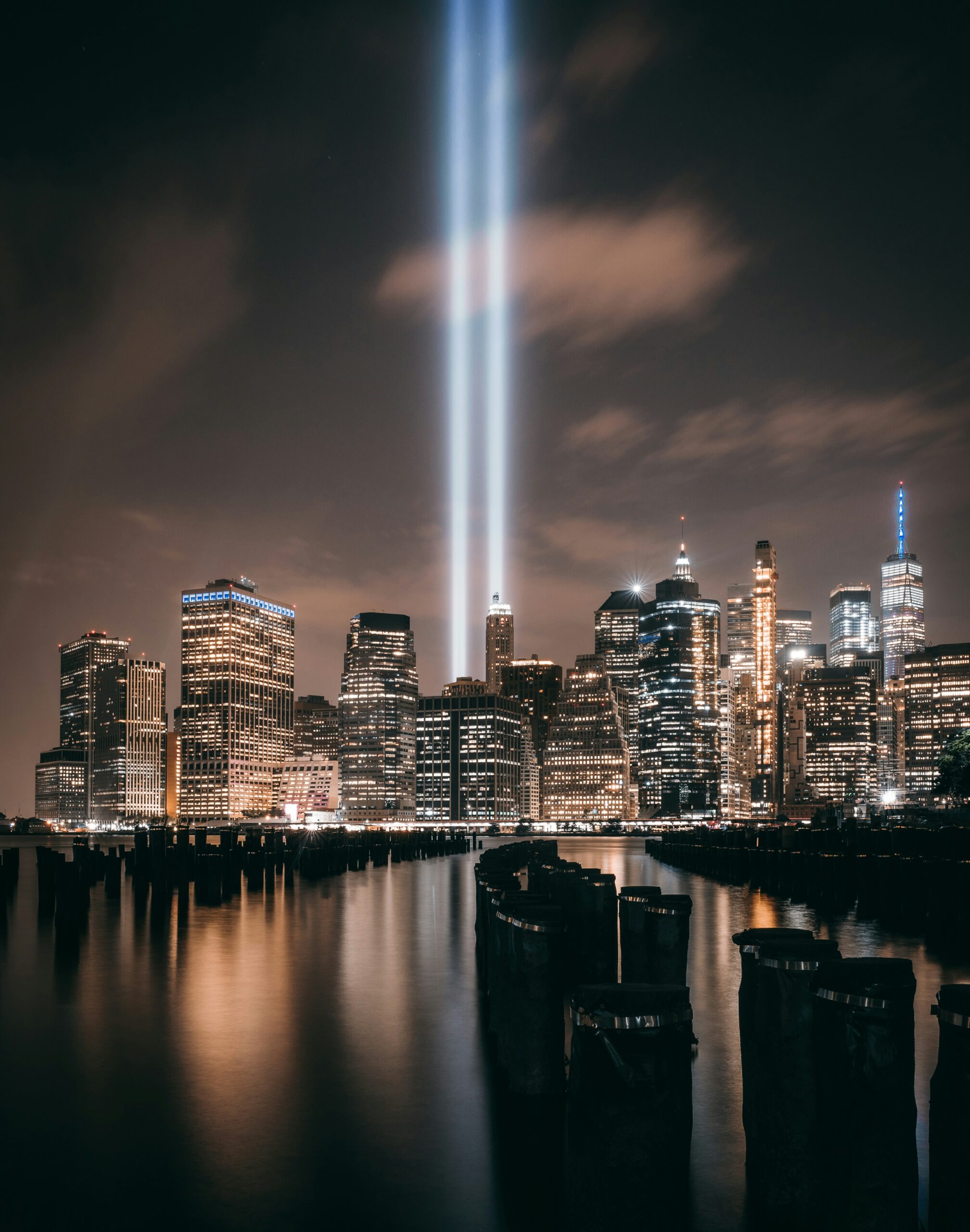
We’re the ones who remember. That was luck, and geography, and the accident of being born when we were born.
But what we do with the remembering — that part isn’t an accident. That’s a choice we make out loud, in front of people younger than us, on purpose.
Twenty-five years. Carry it well.