The Ultimate Guide to Hanging Up and Calling Back
Phone Scam Awareness
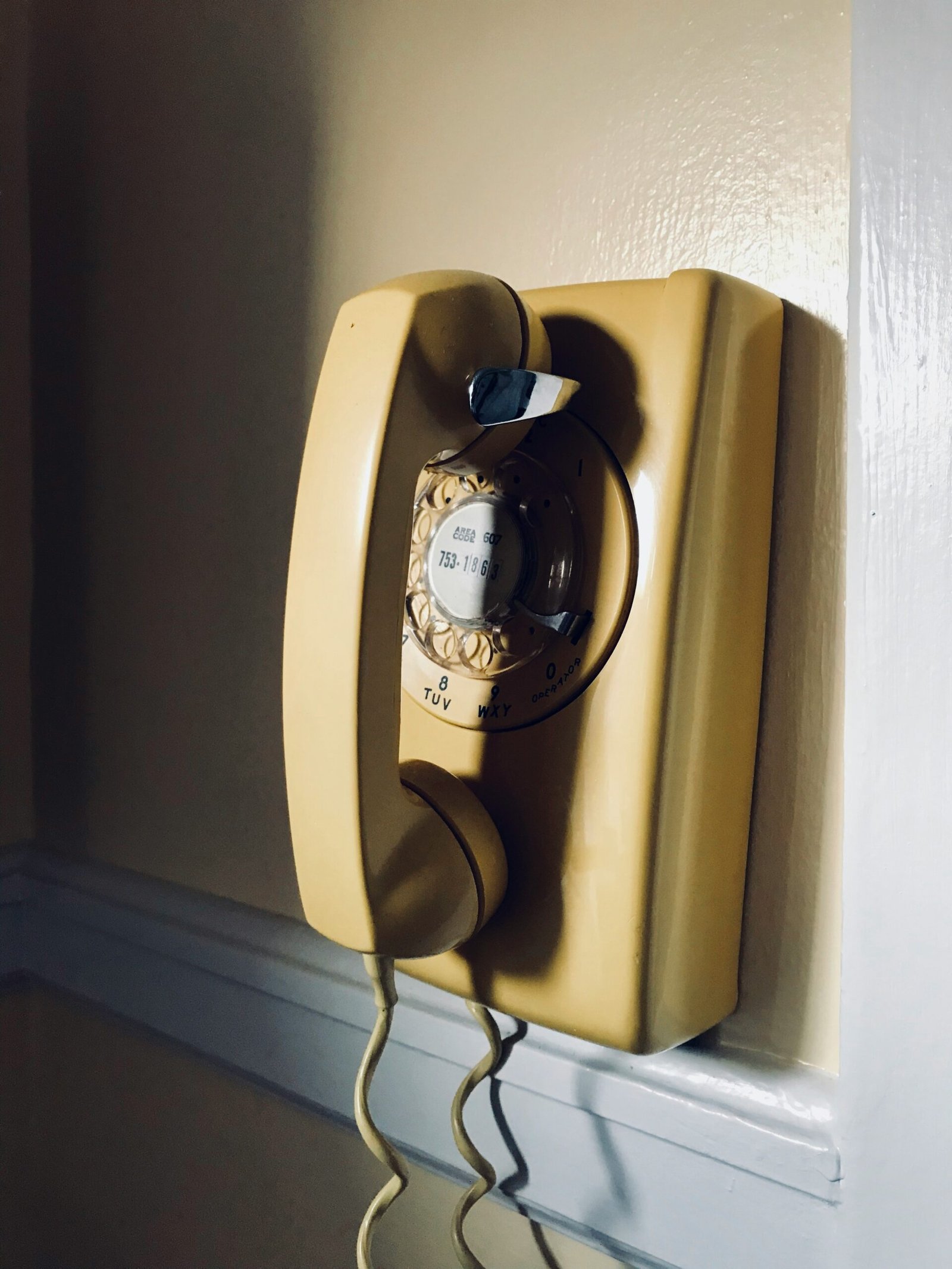
Imagine this rings. Caller ID says it’s your bank; call back if you doubt it. However, a calm voice says someone’s trying to empty your account.
What do you do?
There’s one answer, and it’s a rule, not a skill. Hang up. Call back. On a number you found yourself.
Not the number they gave you. Not the caller ID. The number on the back of your card.
Scammers don’t bet that you’re foolish. They bet you’re scared and in a hurry. So they take your time away and hand you a feeling.

The rule works because you don’t have to judge the call. You just hang up. A real bank will still be there in two minutes. A scam won’t survive it.
The FTC says people sixty and older reported losing about two point four billion dollars in 2024. About five percent of the loss reports were a hundred thousand dollars or more. But that five percent was sixty-eight percent of all the money lost.
And across all ages in 2025, impostor scams cost about three and a half billion.
Four lines to hang up on. “This is your bank, move your money to a safe account.” No real bank says that. “This is Medicare, calling about your plan.” Medicare doesn’t call to sell you anything. “This is the government.” They don’t demand payment on the phone. And “Grandma, I’m in trouble.”
And here’s the ten-second test. If they want a gift card, a wire, a bank transfer or crypto, it’s a scam. Every time. Real businesses don’t ask for that.
For the grandchild call, there’s a free fix. Pick a family code word. Something nobody could guess. If anyone calls in a panic asking for money, the real one will say it. Do it this weekend.

And turn on the setting on your phone that silences unknown callers. The real ones leave a message.
If you’ve been fooled before, you’re in very good company. Everyone who’s ever been fooled was tired, or rushed, or kind.
So make the rule, not the judgment, do the work.

Hang up. Call back.
Go be bold!