The Fall You Can Prevent
I’m not a doctor or a physical therapist, and this is general information. If you’ve fallen recently, feel unsteady, or get dizzy when you stand, tell your doctor before starting any new exercise. If you hit your head in a fall, especially if you take a blood thinner, get checked right away.
Nobody plans to fall. That’s the point.
It happens on the back step you’ve used for thirty years. On the bathroom rug at 2 a.m. On the first icy morning of the year, carrying the garbage out in the dark.
And most people, after it happens, say the same thing: “I don’t know what happened. I just went down.”
Here’s what the research says happened, and what you can do about it before winter does it for you.
How big this actually is
According to the CDC, more than 14 million adults 65 and older, about 1 in 4, report falling every year. Falls send older adults to emergency rooms about 4.5 million times a year, and nearly 319,000 are hospitalized for hip fractures. Falls cause most of those hip fractures.
Falls are the leading cause of injury-related death for people 65 and older. And the death rate from falls has been rising, up 21 percent between 2018 and 2024.
That last number isn’t meant to scare you. It’s meant to make the point that this isn’t a minor issue you can wave off. It’s one of the biggest health risks in this stage of life, and one of the most preventable.
“I’m careful. Falls happen to other people.”
This is the objection I hear most, and it’s understandable. Nobody wants to think of themselves as frail.
But falls aren’t about carelessness. They usually come from a few things stacking up: a little less leg strength, a little slower balance, a medicine that makes you lightheaded, a dim hallway, a rug that slides. None of those is a character flaw. All of them can be fixed.
And here’s the part people don’t expect. The CDC notes that many people who fall, even without getting hurt, become afraid of falling and start doing less. Doing less makes you weaker. Weaker makes the next fall more likely. Staying active is the way out of that loop, not caution alone.
Falls aren’t a character flaw. They’re a stack of small things, and every one of them can be fixed.
The exercise with the strongest evidence
In 2019, the Cochrane Collaboration, the gold standard for reviewing medical evidence, looked at 81 trials with nearly 20,000 people living at home.
What it found is one of the most solid findings in all of aging research:
- Exercise overall reduced the rate of falls by 23 percent, with high certainty.
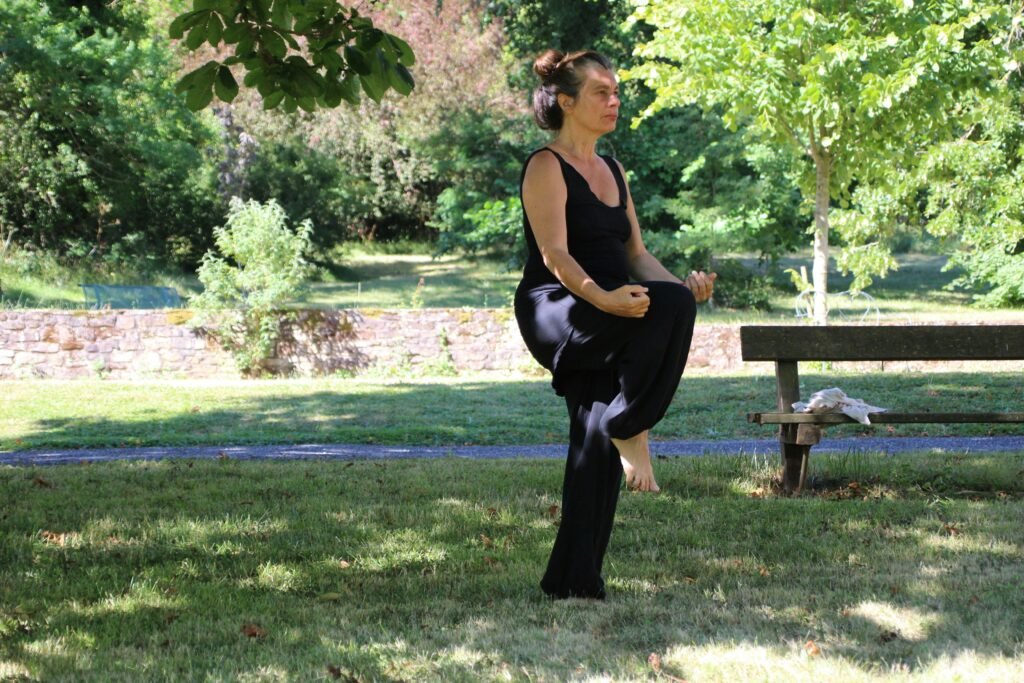
- Balance and functional exercises, like standing on one foot, stepping, and getting up from a chair without using your hands, cut falls by 24 percent, with high certainty.
- Programs that combined balance, functional and strength work cut falls by 34 percent, though with less certainty.
- Tai chi reduced the number of people who fell by about 20 percent.
The honest limit: the review was uncertain about walking alone, dance, or strength training alone. Walking is good for you, but on its own it isn’t the proven fall-prevention tool. Balance work is.
If you’ve read You Can Still Build, this is the same lesson applied to your feet. Muscle and balance both come back with practice, at any age.
My pick
You have three realistic ways to start.
My pick: a structured balance-and-strength class, two or three times a week. Tai chi at a senior center, a “Matter of Balance” or similar fall-prevention class, or a physical therapist’s program. Here’s the ranked reasoning.
First: a class or a physical therapist. Someone watches your form, adjusts the difficulty and keeps you coming back. The trials that worked were structured and ongoing, not occasional.
Second: a home routine, done consistently. Standing on one foot while holding the counter, heel-to-toe walking down the hallway, sit-to-stands from a sturdy chair. Ten minutes most days.
Third: walking more. Good for your heart and mood, and better than nothing. But it’s not enough on its own for falls.
The strongest argument against my pick, left standing: a class only works if you go. If getting there is hard in winter, or you know you won’t stick with a group, a home routine you’ll actually do beats a class you’ll quit in three weeks. Pick the version you’ll still be doing in March.
What Medicare already pays for
You may not need to pay for any of the first step.
Your Welcome to Medicare visit and your yearly Annual Wellness Visit include a fall-risk check, and those visits are free. If you’ve had a serious fall or keep falling, a separate evaluation is covered under Part B, with the usual deductible and 20 percent coinsurance.
If your doctor certifies you need it, Part B also covers outpatient physical therapy. You pay 20 percent after the deductible. A few sessions with a PT who builds you a balance plan can be worth more than any gadget.
So at your next visit, say it plainly: “I’d like a fall-risk check. Am I a good candidate for physical therapy for balance?”
The medicine cabinet and the eyes
Two quieter causes are worth a look.
Medicines. Some prescriptions and over-the-counter sleep aids can make you dizzy, drowsy or lightheaded when you stand. Several together can add up. If you haven’t done a brown-bag review with your pharmacist, the how-to is in The Bag on the Kitchen Table. Ask specifically: “Does anything here raise my risk of falling?”
Eyes. Old glasses, cataracts, and bifocals on stairs all change how well you judge a step. Get your eyes checked, and be careful with bifocals or progressive lenses on stairs and curbs.
The house, room by room
You don’t need to remodel. You need to fix the handful of things that trip people most.
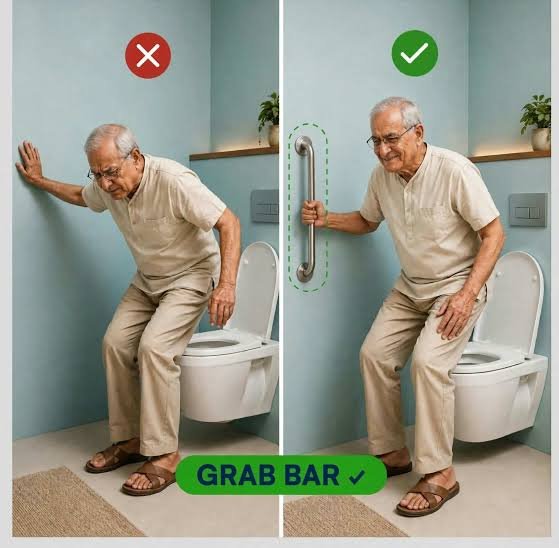
- Bathroom: grab bars by the toilet and in the tub or shower, and a non-slip mat inside the tub. Towel bars are not grab bars.
- Bedroom: a night light between the bed and the bathroom, and a lamp you can reach without getting up.

- Stairs: a sturdy railing on both sides, and lights at the top and bottom.
- Floors: remove throw rugs, or tape them down. Keep cords and clutter out of walkways.
- Kitchen: move the things you use every day to waist-to-shoulder height, so you aren’t climbing on a step stool.
Winter, specifically
- Treat the steps and walk before you need them. Keep salt or sand by the door.
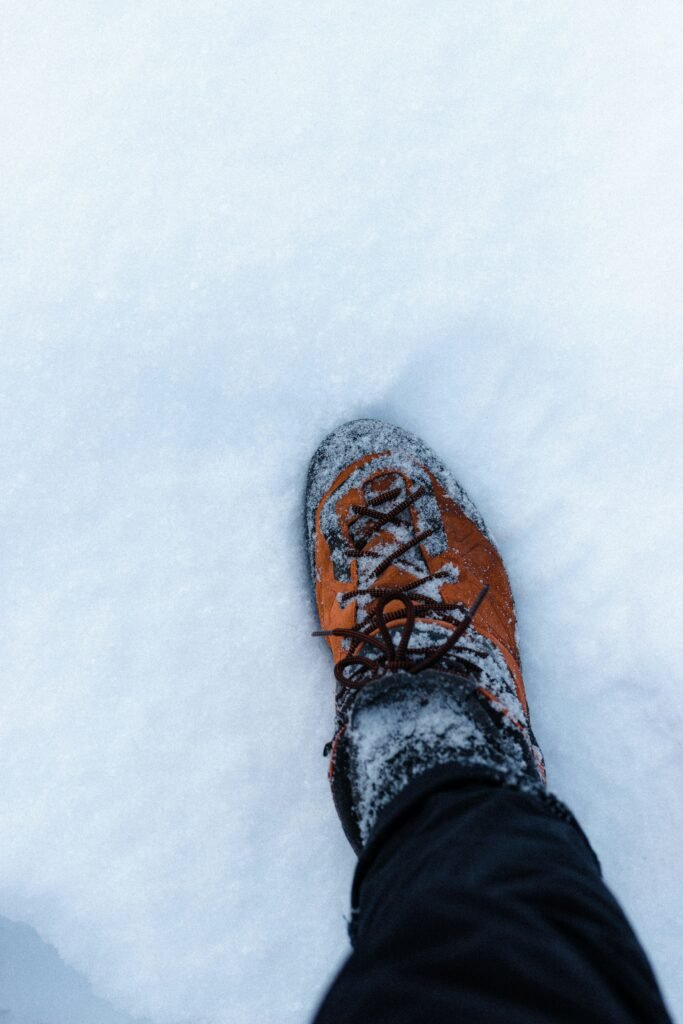
- Wear shoes with real tread, and consider slip-on ice grips for icy days.
- Take smaller, flatter steps on ice, with your hands out of your pockets for balance.
- Carry less. Two trips with the groceries beats one fall.
- Keep a phone on you, even inside. If you live alone, a medical alert device or a daily check-in call with a friend is worth setting up now.
What to do this week
- Book your Annual Wellness Visit if you haven’t had one this year, and ask for a fall-risk check.
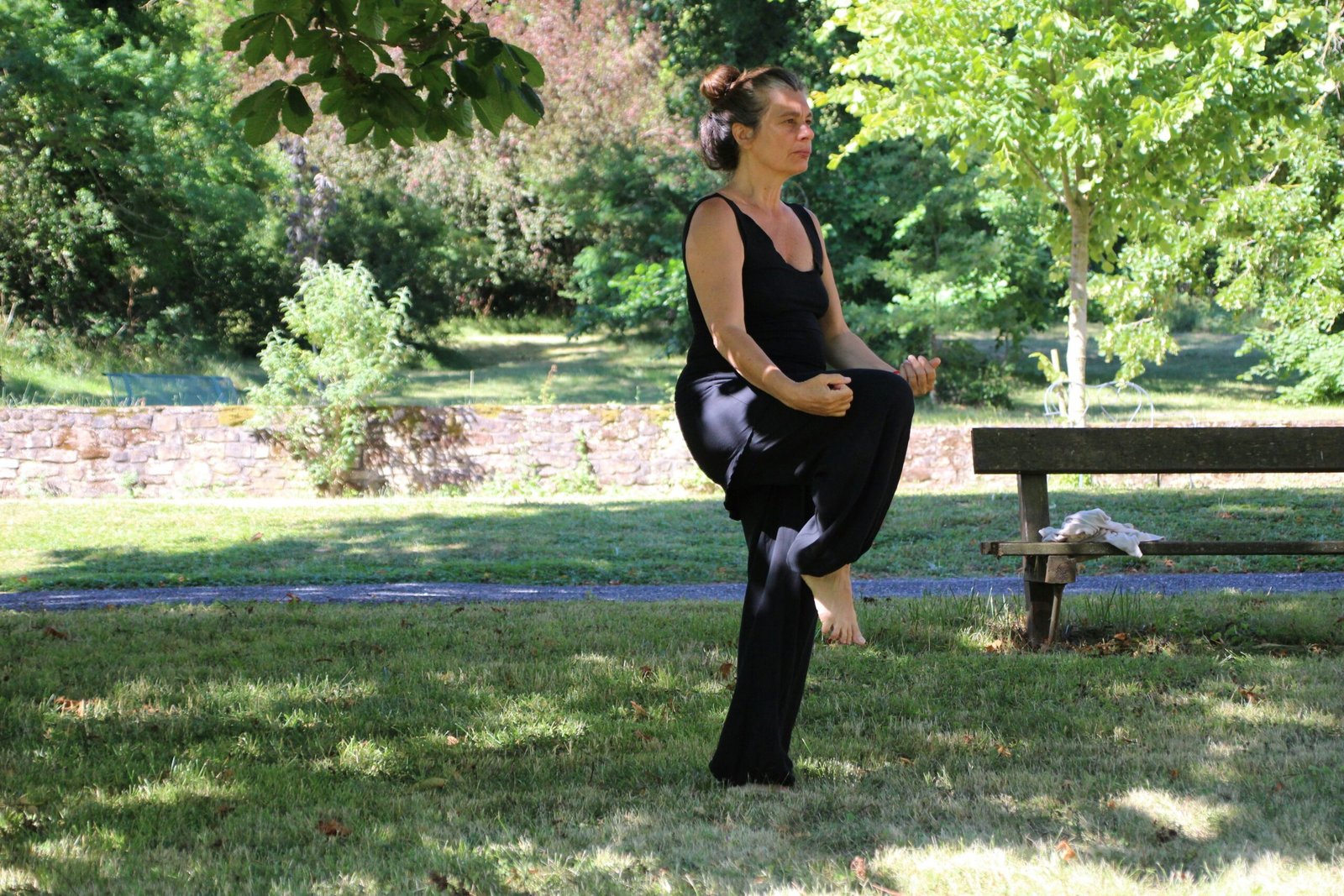
- Start one balance exercise today: stand on one foot for 10 seconds while holding the counter. Switch feet. Do it while the coffee brews.
- Find a class: call your senior center or Area Agency on Aging and ask about tai chi or a fall-prevention program.
- Walk through your house at night with only the lights you normally use. Fix the darkest spot first.
- Bring your medicines to your pharmacist and ask what could make you dizzy.
- Put salt and ice grips by the door before the first freeze.
Falling isn’t a normal part of getting older. It’s a risk, and risks can be lowered. A few minutes of balance work a day is one of the best investments you can make in staying on your own two feet.
Go be bold!
What’s the one spot in your house you know is a fall waiting to happen? Reply and tell me. Then fix it this week, and tell me that too.