
The Bag on the Kitchen Table
I’m not a doctor or a pharmacist, and this isn’t medical advice. Never stop or change a medication on your own. Some need to be tapered, and some are doing more good than you know. Take what you learn here to the people who prescribe and fill your medicines.
Open the cabinet. The one by the sink, or the one over the stove, or the basket on top of the refrigerator. Count the bottles.
Now add the ones in the bathroom. The allergy pills in the nightstand. The “PM” pain reliever you take on bad nights. The vitamin D, the fish oil, the turmeric your neighbor swears by. The eye drops. The cream.
Most people are surprised by the number. Not because any one of those was a bad idea; each one usually had a good reason. The surprise is that nobody, at any point, looked at all of them together.
That’s what this article is about.

You’re not unusual. That’s the point.
According to the CDC, about one in three Americans aged 60 to 79 had taken five or more prescription drugs in the past month. That was in the agency’s most recent national survey, and it doesn’t count the over-the-counter pills and supplements most of us add on top.
It happens honestly. A cardiologist adds one. A specialist adds another. A hospital stay adds two more, and one of them was supposed to be temporary. Each prescriber is careful about their own piece. But the full picture often lives in only one place: your kitchen.
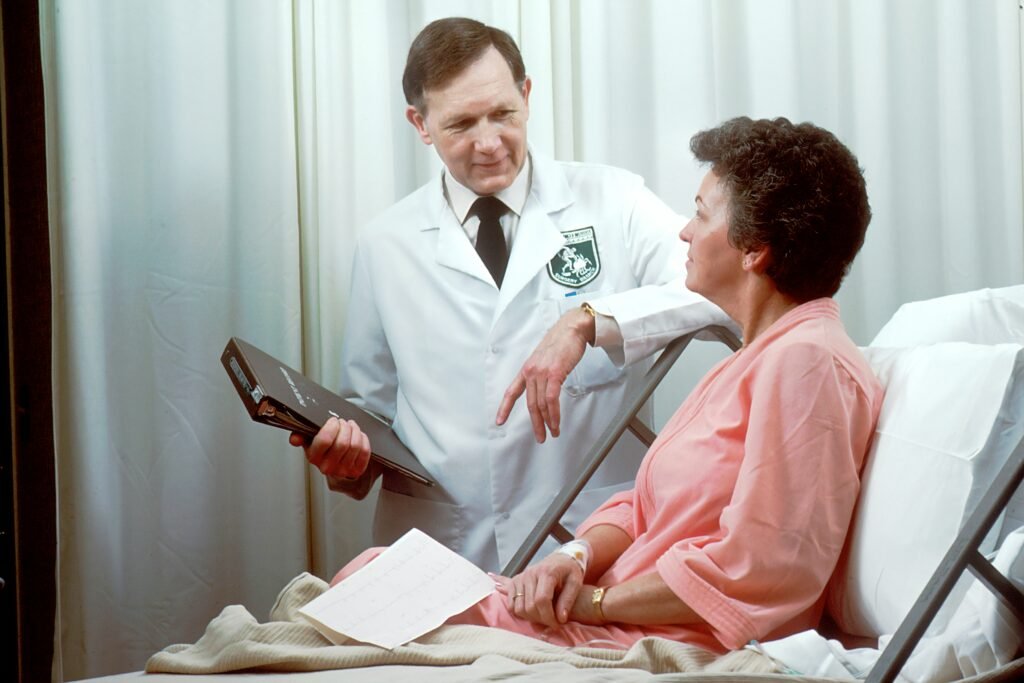
The National Institute on Aging puts the risk plainly. When medications pile up past what you need, the danger rises for falls, memory and thinking problems, and harmful interactions between drugs, or between a drug and another condition you have.
Notice that list. Falls. Confusion. Those are exactly the things we tend to blame on getting older.
Falls. Confusion. Those are exactly the things we tend to blame on getting older.
The pill that’s probably in your nightstand
Here is the one I’d check first, because it’s in so many houses and so few people think of it as a drug.
Diphenhydramine. You know it as Benadryl. It’s also the sleep ingredient in a lot of the “PM” versions of pain relievers, and it shows up in cold and allergy products.
The American Geriatrics Society keeps a list, called the Beers Criteria, of medicines that older adults should generally avoid or use with care. Its 2023 update says adults 65 and older should avoid first-generation antihistamines, including oral diphenhydramine. It’s strongly anticholinergic, a word that means it can cause confusion, dry mouth, constipation and grogginess, and the body clears it more slowly as we age.

The same list flags the common prescription sleep pills, the benzodiazepines and drugs like zolpidem, because of the risk of falls and confusion. The National Institute on Aging points to zolpidem as an example where, for older adults, the harms outweigh the benefits.
If you read our piece on waking at 3 a.m., you’ll recognize the theme: the sleep problem is real, but the pill aimed at it may be creating a new one.
Again, and I can’t say this strongly enough: don’t just stop. Bring it up. There are usually better options, and your doctor or pharmacist can walk you off one safely.
The free review most people never use

If you have Medicare drug coverage, there’s a good chance you already qualify for something that does exactly what this article is describing, at no cost.
It’s called Medication Therapy Management, and Part D plans are required to offer it to members who meet certain criteria. According to the National Council on Aging, plans must target members who:
- have at least three of ten common chronic conditions (diabetes, high blood pressure, heart failure and others),
- take several Part D-covered drugs, and
- are likely to spend more than $1,276 out of pocket on covered drugs in 2026.
If you qualify, you get a comprehensive medication review once a year: a one-on-one conversation with a pharmacist, in person or by phone or video, and a written summary you can keep. A family member or caregiver can sit in.
Plans enroll eligible members automatically, but many people let the letter or the phone call slip by. Call the number on your drug plan card and ask: “Am I eligible for a comprehensive medication review?”
And timing helps. Medicare open enrollment starts October 15. You’re going to look at your drug list anyway to compare plans. Do the review first, and you may be comparing plans for a shorter, cheaper list.
The brown-bag review
Whether or not you qualify for the Medicare program, you can do this yourself. Pharmacists call it a “brown-bag review,” and it is exactly as low-tech as it sounds.
- Get a bag. Any bag.
- Put every single thing in it. Prescriptions. Over-the-counter pills. Vitamins and supplements. Eye drops, inhalers, patches, creams. If you swallow it, spray it, rub it on or put it in your eye, it goes in the bag.
- Bring it to one person. Your pharmacist is often the best choice: they see every prescription you fill, and drug interactions are their specialty. Your primary care doctor is the other good option. Call ahead and say you’d like a medication review.
- Ask four questions about each item: What is this for? Do I still need it? Could the dose come down? Does it work against anything else in this bag?
- Leave with one list. Name, dose, what it’s for, who prescribed it. Keep a copy in your wallet and one on the refrigerator.

That last step matters more than it sounds. The list is what you hand the emergency room. It’s what your daughter needs if she’s ever the one answering questions for you. It’s what keeps the next new prescription from landing on top of the pile unseen.

This isn’t about taking less. It’s about taking what’s working.
Some people hear “medication review” and worry it means being told to do without. That’s not the goal. Sometimes the review adds something. Often it changes a dose or a time of day. The goal is that every pill in the bag has a current reason to be there, and that someone looked at all of them together.

Doctors have a word for carefully reducing or stopping medicines that are no longer helping: deprescribing. It’s done slowly, on purpose, with a plan. The National Institute on Aging encourages older adults to raise the subject themselves.
So raise it.
What to do this week
- Gather everything into one bag: prescriptions, over-the-counter, supplements, drops and creams.
- Check for “PM” products and Benadryl. Make a note to ask about them; don’t stop them on your own.
- Call your Part D plan and ask whether you qualify for a free comprehensive medication review.
- Book the bag with your pharmacist or doctor. Ask the four questions about each item.
- Leave with one written list, and put copies in your wallet and on the refrigerator.
- Do it before you compare plans during open enrollment, October 15 through December 7.

You didn’t get to this many bottles by being careless. You got here by taking good care of yourself, one problem at a time. This is just the afternoon where someone looks at the whole picture.
Go be bold!
Count your bottles. When you gather your bag this week, reply and tell me the number — no names of medicines, just the count. I suspect a lot of us will be surprised, and you won’t be the only one.
Next step: The Seven Weeks, the Medicare open-enrollment checklist that starts with the list you just made.
Sources
- CDC / NCHS Data Brief No. 347 — Prescription drug use among adults aged 40–79 — 34.5% of adults 60–79 used five or more prescription drugs in the past 30 days (2015–2016)
- National Institute on Aging — The dangers of polypharmacy and the case for deprescribing in older adults — risks of falls, cognitive problems and interactions; zolpidem example; deprescribing
- Medi-Cal Rx (California DHCS) — Alternatives to diphenhydramine for older adults — summarizes the 2023 AGS Beers Criteria guidance to avoid first-generation antihistamines
- National Council on Aging — What is Medication Therapy Management in Medicare Part D? — 2026 eligibility criteria, the $1,276 threshold and the comprehensive medication review