The Last Commute

There’s a particular kind of quiet that shows up on a Tuesday morning about three weeks after the retirement party.
The cards are still on the counter. The cake is long gone. Somebody gave you a clock, which is either a beautiful gesture or a joke with a very long fuse, depending on your mood. And you wake up at 5:40 a.m. — because forty years of waking up at 5:40 a.m. does not care what your calendar says — and you lie there in the dark doing the math on a day that has no meetings in it.
That’s the moment nobody prepares you for. We spend decades preparing for the money side of leaving work. Nobody hands you a pamphlet for the identity side.
The question behind the question
Here’s what I’ve noticed. When people meet, the second or third thing out of their mouth is “So what do you do?” For most of a working life, that question has an easy answer. You are a nurse. You are a foreman. You are a route driver, a principal, a machinist, a Master Sergeant. The answer arrives before you’ve thought about it, because it isn’t just a job description — it’s a shorthand for where you fit.
Then one day the shorthand expires, and you find yourself saying the ugliest word in the language: “retired.”
Notice what that word actually means. Re-tired. Tired again. As if the whole back half of a life were a nap you’re taking between more interesting things. Somebody sold us that word, and we bought it without reading the label.
I don’t buy it. This is a sunrise, not a sunset. But sunrises still start in the dark, and pretending otherwise doesn’t help anybody.
What actually goes missing
When I talk to folks who are eighteen months out from their last day, the ones struggling almost never say “I miss the work.” They say something more specific, and it’s usually one of four things.
Structure. Work is a skeleton. It decides when you get up, where you go, when you eat, when the week ends. Pull the skeleton out and everything you thought was muscle turns out to have been leaning on it.
Tribe. You didn’t just leave a job. You left thirty people who knew how you take your coffee. Nobody warns you that friendship at work is largely proximity, and proximity does not survive a parking pass being turned in.
Being needed. This is the big one. There’s a difference between being loved and being needed, and most of us underestimate how much of our stability came from somebody, somewhere, waiting on us to show up and do a thing only we did.
Being competent. After thirty years you were good. You knew where the bodies were buried and how to fix the thing the manual couldn’t. Then you retire and suddenly the hardest problem in your day is the self-checkout at the grocery store, and it is beating you.
Name those four and you’ve named most of what people call “the blues” after leaving work. It isn’t a mood. It’s a vacancy. Four load-bearing walls came out and nobody filed a permit.
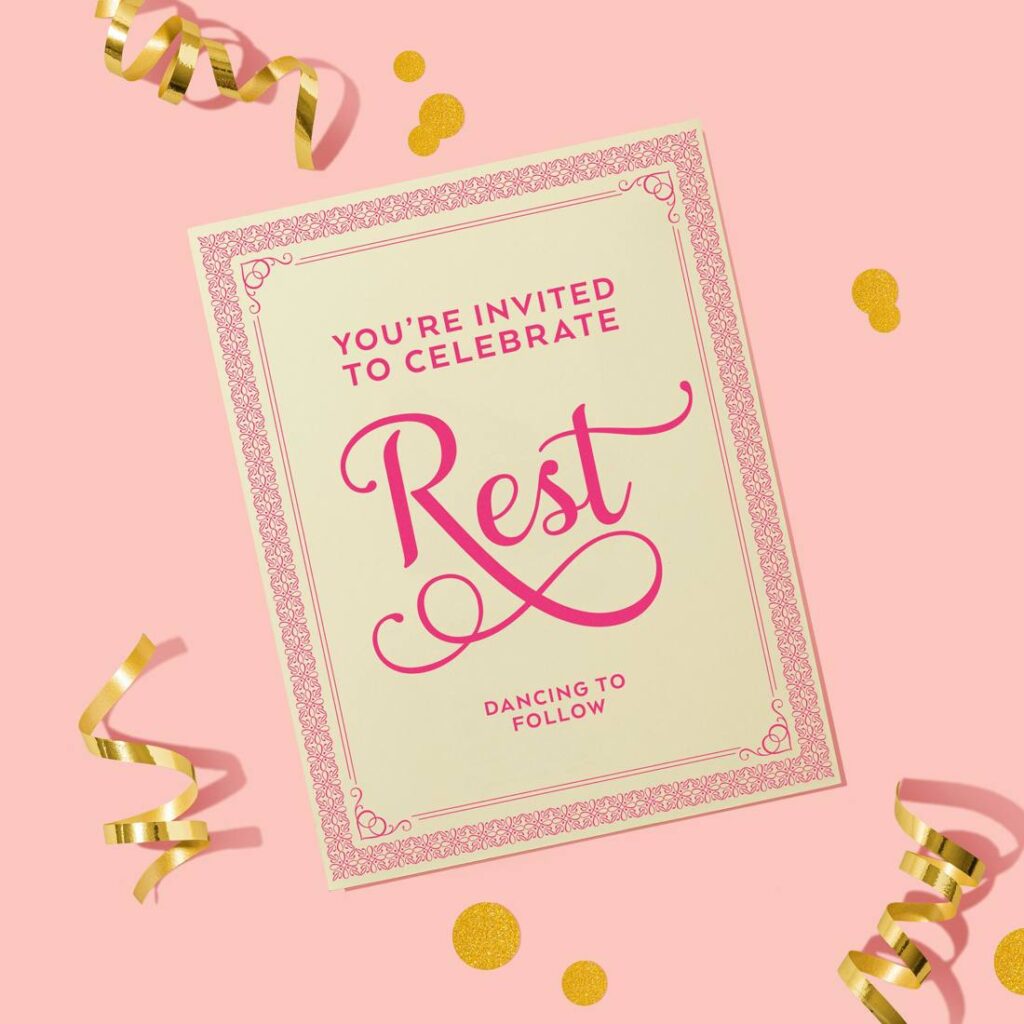
Rest is a season. It was never supposed to be an address.
The trap of the long vacation
The standard advice is: rest. Take a year. You’ve earned it.
You have earned it. Take the month. Sleep in. Go see the grandkids and let them beat you at a card game they’re clearly cheating at.
But a year of unstructured rest is not rest, it’s drift, and drift is how the world shrinks. I’ve watched it happen to good people. The circle gets smaller. The errands get stretched out to fill the day, because a trip to the hardware store is a reason. Then the trip to the hardware store becomes the highlight, and then it becomes the only thing, and by the time anyone notices, a whole person has quietly folded up into a recliner.

Rest is a season. It was never supposed to be an address.
Rebuild the four walls, not the job
Here’s the part I actually came to say. You do not need another job. You need the four things the job was secretly providing, and you can get all four without a single performance review.

For structure: pick two fixed anchors a week and make them non-negotiable. Not a to-do list — appointments. Tuesday 9 a.m. and Saturday 7 a.m. Something with a start time and a witness. A class. A shift. A standing walk with a neighbor who’ll text you if you don’t show. The point isn’t the activity. The point is that something outside your own willpower expects you.
For tribe: understand that adult friendship after 55 is built on repetition, not chemistry. You don’t find your people. You show up to the same room enough times that the people there become yours. That’s it. That’s the whole secret. Most folks quit on week three, one week before it takes.
For being needed: find one thing where your absence is felt. Coach. Tutor. Drive somebody to dialysis. Sit on a board. Teach the church sound system to somebody under forty. There is no substitute for a person on the other end who is genuinely inconvenienced when you’re not there.
For competence: go be bad at something on purpose. This one is counterintuitive so stay with me. The fastest way to feel capable again is not to do the thing you already mastered — it’s to pick up something brand new, be visibly terrible at it, and get measurably less terrible over eight weeks. Spanish. Woodworking. Bass guitar. Pickleball. Watercolor. The slope is what makes you feel alive, not the altitude.
One more thing, from a medic
I spent part of my life as a combat medic, and the thing that job teaches you is triage — you don’t treat everything at once, you treat the thing that will kill the patient first.
So if you’re sitting in that Tuesday-morning quiet right now, don’t try to redesign your entire life by Friday. Triage it. Pick the one wall out of the four that’s leaning hardest, and shore up that one. Just that one. This week.
The rest of the house will hold.

Labor Day was built to honor what work gave us. Fine. But somebody ought to say the other half out loud: work was never the point. Work was the scaffolding. And the whole reason you build scaffolding is that one day there’s supposed to be a building standing there without it.
Go build the building.
Go be Bold!!
Which of the four walls is leaning hardest for you right now — structure, tribe, being needed, or being competent? Leave a comment below and tell me. I read every one.