The Protein Problem: Why You Need More Than You Think After 55 — and How to Actually Get It
Here’s a number worth sitting with: the protein recommendation printed on the side of your cereal box — the Recommended Dietary Allowance, 0.8 grams per kilogram of body weight per day — was set for a healthy 25-year-old. It was never written with a 60-year-old in mind, and a growing body of research says it’s quietly failing the people who need protein most.
That matters more than it sounds like it should, because muscle is not a vanity issue after 55. It’s the tissue that lets you get up from a low chair without using your arms, carry a bag of groceries in one trip, catch yourself instead of falling, and walk out of a hospital stay instead of into a longer one. Losing it isn’t cosmetic. It’s the mechanism behind a huge share of the things people call “just getting older.”
This is the opening piece in a four-part series we’re calling The Body You’ll Live In — strength, balance, brain, and sleep, one system feeding into the next. But it starts here, with the nutrient that makes the rest of it possible. Follow the youtube link for a video synopsis of our story:
Why the requirement goes up, not down
Two things happen at the same time as you age, and they work against each other.
First, your muscles become less efficient at using the protein you give them — a phenomenon researchers call anabolic resistance. The same meal that would build muscle in a 30-year-old produces a smaller response in someone twice that age. Your body needs a larger dose of amino acids to trigger the same muscle-building signal.
Second, appetite typically declines with age — sometimes called the “anorexia of aging” — so most older adults are eating less overall, including less protein, at exactly the moment their bodies need more of it per bite.
The RDA of 0.8 g/kg/day was designed to prevent deficiency in a young, healthy population — the bare floor, not a target for healthy aging. Multiple expert panels — including the PROT-AGE study group, an international group of geriatric and nutrition researchers — now recommend 1.0 to 1.2 grams per kilogram per day for generally healthy older adults, and 1.2 to 1.5 g/kg/day for those managing a chronic illness. Some researchers, using a more precise measurement technique, have found requirements closer to 1.2 to 1.3 g/kg/day even in healthy seniors — 50 to 60 percent above the official RDA.
What that looks like in practice: for someone weighing 165 pounds (75 kg), the RDA calls for about 60 grams of protein a day. The higher, age-adjusted target is closer to 90 to 100 grams — roughly the difference between a light day of eating and a day where protein actually shows up at every meal.
You don’t need to become someone who tracks grams. You need to close the gap between what you’re probably eating now and what your muscles are actually asking for. That’s a food problem, not a math problem, and it’s fixable.
The meal almost everyone under-eats
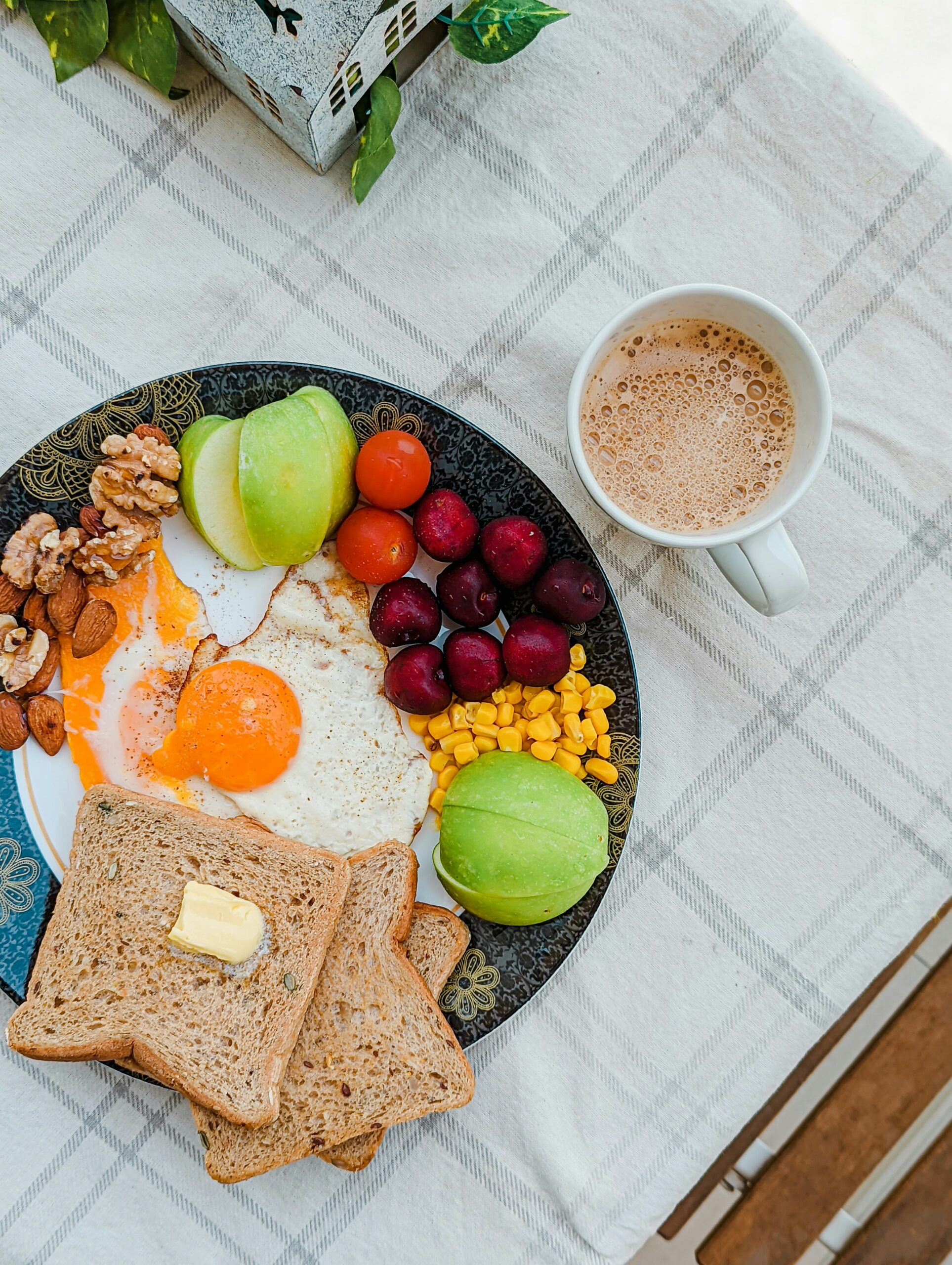
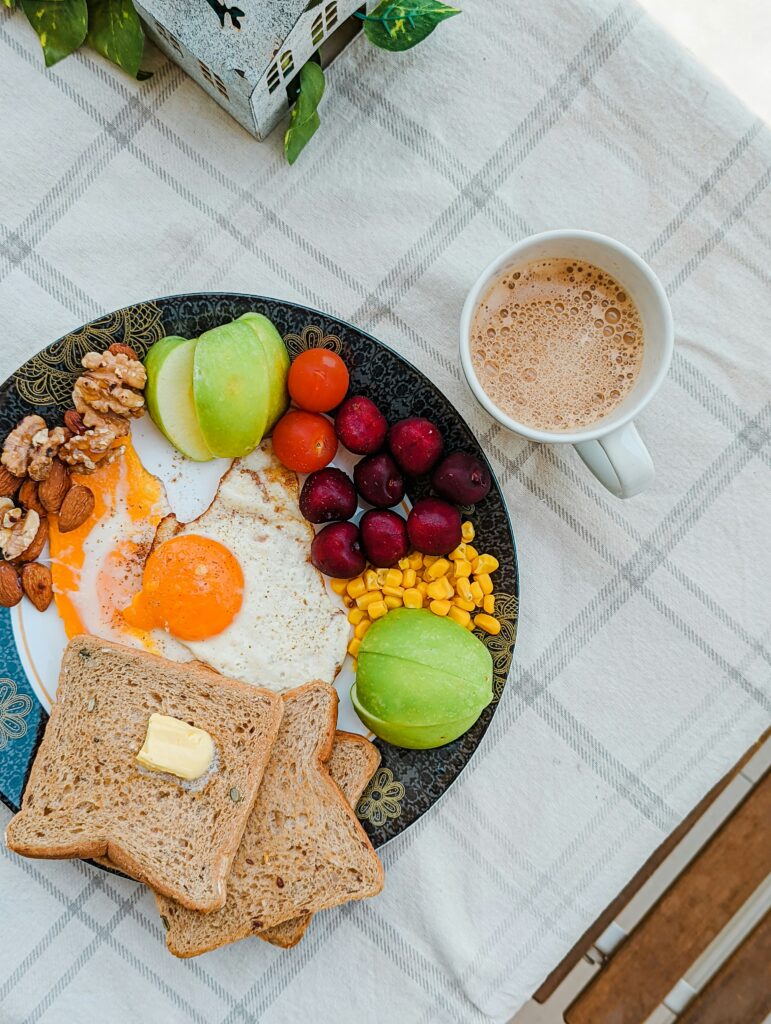
If there’s one place to start, it’s breakfast. Traditional American breakfasts — coffee and toast, a bowl of cereal, half a bagel — are often the lowest-protein meal of the day, frequently under 15 grams, while dinner quietly ends up carrying most of the day’s protein load. Spreading protein more evenly across meals appears to make better use of it for muscle maintenance, since each meal only stimulates so much muscle-building response regardless of how much protein arrives at once.
A 30-gram breakfast is a realistic, non-extreme target that changes the whole day’s trajectory:
- Three eggs plus a serving of Greek yogurt
- Cottage cheese with fruit and a handful of nuts
- Two eggs with a side of turkey sausage or smoked salmon
- Greek yogurt with a scoop of nut butter stirred in
Sources beyond the protein shake
Shakes and bars are fine as backup, but whole food does more for you — it typically arrives with fiber, vitamins, and satiety a powder doesn’t replicate.
Animal sources: eggs, Greek yogurt and cottage cheese, chicken and turkey, fish, and lean beef or pork in moderate portions.
Plant sources: lentils and beans, tofu and tempeh, edamame, and quinoa — paired for variety across the day, like beans with rice or hummus with whole grain pita.
The easiest single upgrade: swap a plain snack for a protein-containing one. A handful of almonds instead of pretzels, cheese instead of crackers alone, a hard-boiled egg instead of nothing.
Protein alone isn’t the whole story
Eating more protein without resistance training mostly doesn’t build muscle. Protein gives your body the raw material; resistance exercise is what tells your body to actually use it for muscle. That’s exactly why next week’s piece in this series is about strength training, not diet.
The caveat that belongs in the piece, not a footnote
If you have kidney disease, talk to your doctor before increasing your protein intake. Higher protein loads require the kidneys to work harder to process waste products. This is one of the few places in nutrition advice where “check with your doctor first” isn’t boilerplate — it’s the actual right answer for a meaningful subset of readers.
What this isn’t
This isn’t a weight-loss article, and it isn’t a supplement pitch. The goal is narrower and more useful: keep the tissue that keeps you independent.
Go be bold!
This article provides general health information and is not a substitute for individualized medical advice. Talk to your doctor before making significant changes to your diet, especially if you manage a chronic condition.